- Program Name: Rasuwa Flood Recovery Programme
- Funded By: World Jewish Relief (WJR)
- Implementing Partner: Community Self Reliance Centre (CSRC), in coordination with local governments and communities.
- Project Duration: 1 November 2026–31 October 2027 (12 months).
- Budget: £149,213 (NPR.
- Working Area: Uttargaya, Gosaikunda and Aamachhodingmo rural municipalities, Rasuwa District, Bagmati Province, Nepal.
- A brief Program introduction (in 300 words)
The Rasuwa Flood Recovery Programme will support communities affected by the 26 August 2026 Bhote Koshi–Trishuli flood in Nepal. Community Self Reliance Centre (CSRC), with support from World Jewish Relief (WJR), will implement the programme from 1 November 2026 to 31 October 2027 in Uttargaya, Gosaikunda and Aamachhodingmo rural municipalities.
Flooding damaged homes, farmland, productive assets, roads, bridges and markets, disrupting livelihoods and access to essential services. Displaced families and remote communities face heightened risks of debt, asset depletion and prolonged dependence on assistance. The programme aims to reach approximately 2,389 unique people. Priority groups include displaced and landless families, women-headed households, children, older people, persons with disabilities, Indigenous and Dalit households, and people in isolated wards.
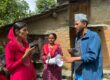
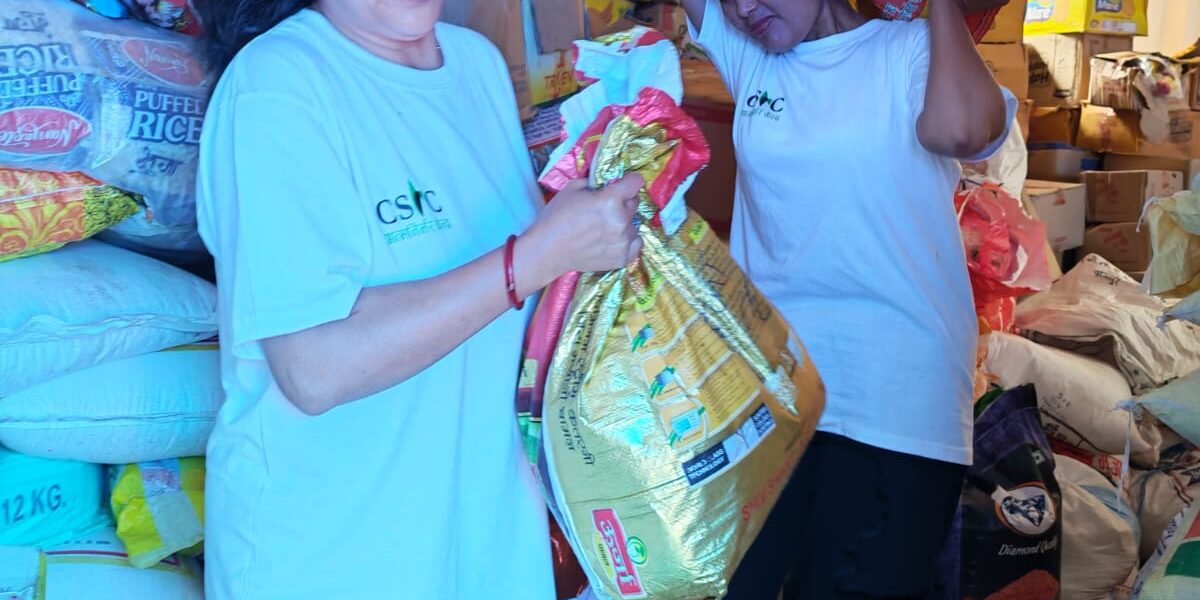
Assistance combines immediate needs with longer-term recovery. Two hundred vulnerable households will receive one-time multipurpose cash assistance of NPR 15,000. Thirty families will receive temporary shelters on municipal public land, subject to approved designs and safety checks. Up to 150 households will receive livelihood support through tailored plans, including inputs, tools, productive assets, restart grants, skills development and market linkages.
Cash-for-work will engage 200 people for up to 15 paid days each to restore community infrastructure and support shelter works. At least 1,000 people will access voluntary psychosocial support and community-led cultural activities, with safe referrals for specialised services. Multipurpose cash recipients may receive one additional intervention from shelter, livelihoods or cash-for-work, without overlap among those three categories.
Drawing on CSRC’s longstanding presence in Rasuwa, the programme will integrate safeguarding, gender equality, disability inclusion, accountability and disaster-risk reduction. Community consultation, accessible complaints channels, technical inspections and monitoring will guide inclusive delivery, coordination with municipalities and sustainable recovery. Baseline and endline assessments will track changes in household safety, essential needs, income and psychosocial wellbeing.
- Objectives
- Improve crisis-affected households’ ability to meet priority food and essential household needs through timely, dignified multipurpose cash assistance.
- Provide safe temporary accommodation for families who lost their homes and land and have no safe alternative site.
- Restore or diversify viable household income sources through needs-based livelihood packages, mentoring and market or service linkages.
- Provide short-term paid work while rehabilitating priority community infrastructure and supporting temporary shelter works.
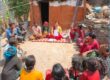
- Strengthen coping, psychosocial wellbeing, social connection and Indigenous cultural continuity through voluntary, culturally appropriate support and safe referrals.
- Ensure assistance is inclusive, safe, accountable and coordinated with local authorities, with safeguarding, accessible feedback and disaster-risk reduction integrated throughout.
- Outcomes/Expected Results
Overall outcome: Crisis-affected households have improved safety, ability to meet essential needs, economic recovery and psychosocial wellbeing by 31 October 2027.
- Expected Results
- Multipurpose cash: 200 households receive the approved one-time transfer of NPR 15,000; at least 95% of surveyed recipients confirm correct and timely receipt, and at least 75% report improved ability to meet priority needs.
- Temporary shelter: 30 families access 30 completed, technically certified temporary shelters meeting the approved design, with temporary toilets and water tanks.
- Livelihood recovery: Up to 150 households receive support; at least 80% of assisted activities are operational at follow-up, and at least 70% of surveyed households report restored or increased income from the assisted activity.
- Cash-for-work: 200 participants undertake up to 15 paid days each, targeting 3,000 verified workdays on priority community assets and shelter works, with safe-work controls and correct, timely wages.
- Psychosocial and cultural recovery: At least 1,000 people participate; at least 70% of surveyed participants report improved coping, wellbeing or social connection, and all identified cases requiring specialised support are offered safe referrals.