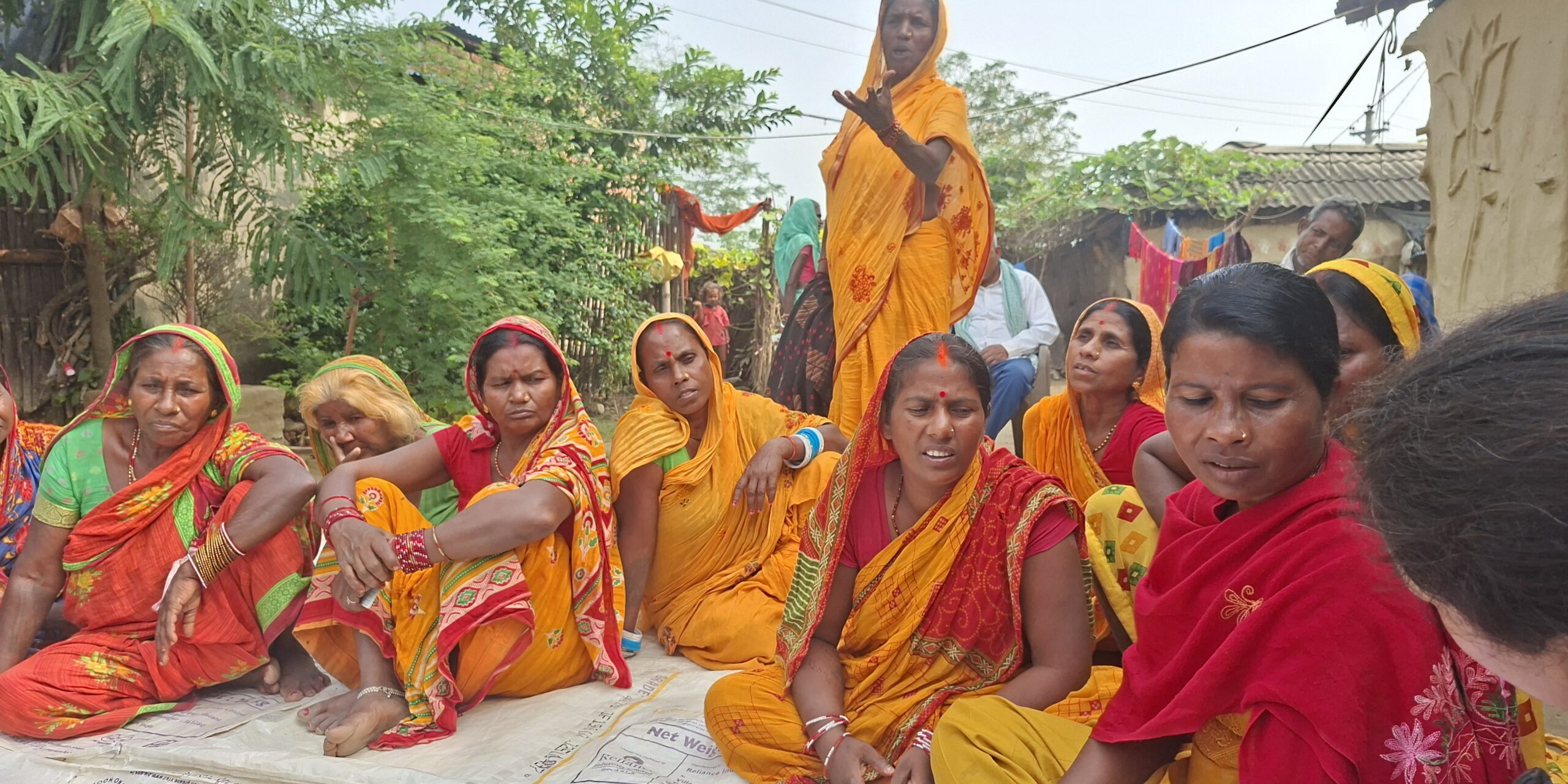
| The “Advancing Land Rights for Resilient Livelihoods in Nepal” project, funded by the United Nations Democracy Fund (UNDEF), officially commenced on 1 July 2026 and will be implemented over a two-year period. The project aims to strengthen land tenure security and resilient livelihoods for landless Dalits and Sukumbasi communities in Rautahat and Sarlahi districts. Through collaboration with local governments, land rights forums and communities, the project will promote inclusive governance, enhance community capacity, and facilitate access to secure land rights. Funded by : The United Nations Democracy Fund (UNDEF) Implementing Partner : Community Self Reliance Centre (CSRC) Collaboaration : National Land Rights Forum and Rural/Municipalities Duration: 01/04/2026- 29/03/2028 Budget: 180,000 USD Working Area: Sarlahi ( Ishworpur, Chandranagar, Dhankaul and Haripur Rautahat- (Gujara, Chandrapur, Phatowa Bijaypur and Brindaban ) Program Introduction: The program seeks to formalize land ownership for landless Dalits in eight municipalities/rural municipalities of Sarlahi and Rautahat districts, Madhesh Province, in line with the government’s land allocation program. It will strengthen the capacity of landless Dalits to understand constitutional and legal provisions under the Land Act, empowering them to claim their rights. Land rights activists will also support local governments (municipalities and rural municipalities) to ensure transparent legalization of records for 10,000 landless Dalits. As a result, the project will secure land access and ownership for 2,000 Dalit families, enhancing their access to sustainable livelihood opportunities. Objectives : To secure formal land ownership for landless Dalits in eight municipalities of Sarlahi and Rautahat districts, Madhesh Province. Outcomes Outcome 1: Dalit landless people are capacitated with comprehensive knowledge of constitutional and legal provisions of the Land Act and Land Allocation Guidelines, and organized through local structures that enable them to confidently claim and exercise their land rights Outcome 2: Land rights activists support and monitor the work of District Land Issues Resolving Commission’s (DLIRC) in legalizing the records of 10,000 landless Dalits Outcome 3: 2,000 Dalit landless families (1060 in Rautahat and 940 in Sarlahi) acquire land rights and gain access to livelihood opportunities. |
CSRC Nepal
Community Self Reliance Center
close
Advancing Land Rights to Build Resilient Livelihoods in Nepal
You are here:
- Home
- Ongoing Programs
- Advancing Land Rights to Build…


